Electrical accidents at New York construction sites are among the most dangerous workplace incidents. Employees are typically entitled to workers’ compensation benefits, covering medical treatment and partial wage replacement. However, if a third party—such as a subcontractor, utility company, or equipment manufacturer—contributed to the incident through negligence, the injured worker may also pursue a third-party personal injury claim. This separate legal action can provide more comprehensive compensation, including damages for pain and suffering, lost wages, and long-term care needs.
Your Recovery Starts with a Call
Hurt in a construction accident? Our NYC attorneys are ready 24/7 to help you win. No fee unless we recover for you.
Call NowFriedman, Levy, Goldfarb, Green & Bagley, P.C. is a trusted legal ally for injured construction workers in Manhattan, the Bronx, Brooklyn, Queens, Staten Island, and the NYC metropolitan area. Contact us today to schedule a free consultation.
Prevalence of Electrical Accidents in Construction

Electrical accidents remain one of the top causes of fatalities in the construction industry in New York and across the U.S. These incidents are often due to contact with overhead power lines, faulty equipment, or improper grounding.
Here are some key highlights:
- According to the Occupational Safety and Health Administration (OSHA), electrocutions consistently rank among the “Fatal Four” causes of death in construction–contributing to approximately 8.5 percent of construction fatalities nationally.
- The New York Committee for Occupational Safety and Health (NYCOSH) reported in its 2022 construction fatality report that electric shock accounted for a significant share of all fatal injuries in NYC construction, particularly among non-unionized worksites.
- The Centers for Disease Control and Prevention (CDC) states, “Nearly 60% of the electrocutions were caused by direct contact with electricity. Construction workers account for a large portion of electrical injuries in the U.S. each year. In 2015, for example, 61 percent of all U.S. workplace electrocutions occurred in construction (82 of 134 total deaths).”
Common Causes of Electrical Accidents on Construction Sites
The most common causes of electrical accidents on construction sites include:
Contact with Overhead Power Lines
Roughly one-third of electrical fatalities on construction sites involve contact with overhead power lines, which carry extremely high voltages and are the leading cause of electrical fatalities on worksites. Power lines should be identified and assessed before beginning any job, and all workers must adhere to strict safety protocols. According to OSHA regulations, a minimum clearance of 10 feet from power lines is required.
Many victims of power line contact were carrying metal ladders at the time of the incident. Other cases involve crane or backhoe operators, workers on elevated scaffolding, or even occupants of trucks with raised beds that came into contact with power lines. In addition to burns, such incidents can lead to serious or fatal fall injuries.
Improper Use of Extension Cords and Electrical Equipment
Improper use of extension cords can lead to accidents and potentially cause fires, as can the use of damaged electrical equipment. OSHA specifies that only three-wire extension cords “marked with a designation code for hard or extra-hard usage” are permitted on construction sites. These cords must be regularly inspected, and any that do not meet the standards should be promptly removed from service.
Every construction site should designate a qualified individual to inspect electrical tools and cords to ensure they are in safe working condition. Any equipment identified as hazardous must be immediately repaired or replaced.
Inadequate Grounding
When electrical systems are not properly grounded, the risk of electrocution increases significantly. In the absence of adequate ground fault protection, electrical current can pass through a worker’s body, potentially causing severe burns, cardiac arrest, or fatal injuries.
Water Exposure
Water and moisture—whether from weather conditions or site-specific factors—can significantly increase the risk of electrocution by affecting electrical conductivity. One of the most common hazards is using extension cords or electrical equipment that comes into contact with water or standing in water while operating such tools.
Preventive measures include wearing appropriate protective clothing and waterproof footwear, ensuring all tools and equipment remain dry, and using Ground Fault Circuit Interrupters (GFCIs). GFCIs should be tested before each use to ensure proper function.
Preventive Measures to Enhance Electrical Safety
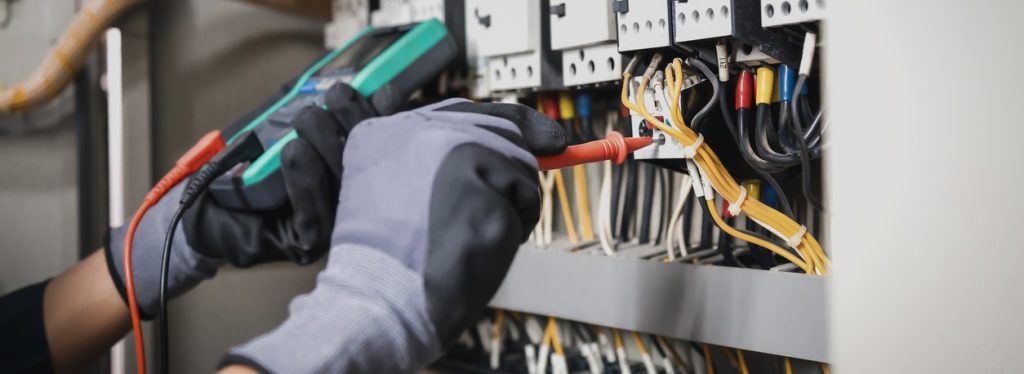
OSHA enforces comprehensive electrical safety standards that require identifying and mitigating electrical hazards, providing mandatory safety training for workers, and ensuring the use of properly grounded or double-insulated tools and equipment.
For example, a key component of these standards is the lockout/tagout procedure, which is designed to prevent the accidental energization of machinery during maintenance or servicing. If stored energy is not adequately controlled or equipment can start unexpectedly, serious or fatal accidents can occur.
Other safety measures include the following:
Regular Safety Training and Education

Regular training and education are essential components of electrical safety and cannot be replaced by a single information session or access to written materials. Effective training requires periodic reviews and practical drills to reinforce knowledge and preparedness.
Employers are responsible for ensuring that all workers understand the electrical hazards present on construction sites and are thoroughly trained in established safety protocols. Providing personal protective equipment (PPE) alone is insufficient; workers must also be trained to correctly select the appropriate type of PPE for specific electrical hazards, use it properly during tasks, and maintain it in safe, functional condition through regular inspection, cleaning, and timely replacement.
Clear Signage
Construction sites are required to display clearly visible signage identifying electrical hazards and marking restricted areas. These signs should be posted in the primary languages understood by the workforce.
Conducting Routine Inspections and Maintenance
Routine inspections and proper maintenance of electrical equipment are essential to minimizing the risk of electrical accidents on construction sites. Prompt identification and correction of hazards—such as overloaded circuits–a common risk—are vital to maintaining a safe working environment.
Third-Party Personal Injury Claims
Failure to conduct inspections or ensure equipment safety can result in legal liability for various parties, including general contractors, subcontractors, site supervisors, or property owners. In the event of an accident, these parties may face third-party personal injury or wrongful death lawsuits. As noted, these are distinct from workers’ compensation and can result in additional compensation for pain, suffering, and other damages not covered by workers’ comp.
In New York, the statute of limitations for filing a third-party personal injury lawsuit is three years from the date of the accident. If the injury results in death, surviving family members may file a wrongful death lawsuit within two years of the date of death.
Legal and Financial Consequences of OSHA Violations
OSHA imposes substantial penalties for safety violations. A “serious violation” is defined as a condition in the workplace where there is a significant probability that death or serious physical harm could occur, and the employer knew or should have known about the hazard through the exercise of reasonable diligence.
Financial penalties include:
- Serious violation: $16,550 per violation
- Failure to abate: $16,550 per day beyond the abatement date
- Willful or repeated violations: $165,514 per violation
In certain cases, employers may face criminal charges following a worker’s death, particularly if the incident resulted from a willful violation of OSHA regulations. A willful violation occurs when an employer knowingly disregards or is indifferent to legal safety requirements.
If such a violation leads to an employee’s death, the employer may face criminal penalties, including fines of up to $250,000 for individuals ($500,000 for corporations) and up to six months of imprisonment.
Schedule a Free Consultation with a New York Construction Accident Lawyer

Charles E. Green
Charles E. Green is the managing partner at Friedman, Levy, Goldfarb, Green & Bagley, P.C.
Robert Levy
Robert Levy, is the senior partner of Friedman, Levy, Goldfarb, Green & Bagley, P.C. with four decades experience.
Ira H. Goldfarb
Ira H. Goldfarb is the senior partner and trial attorney at Friedman, Levy, Goldfarb, Green & Bagley, P.C.

Nicolas Bagley
Nicolas Bagley is a partner and trial attorney at Friedman, Levy, Goldfarb, Green & Bagley, P.C.
If you’ve been injured on a construction site, it’s essential to understand your legal rights. While workers’ compensation provides benefits for job-related injuries, you may be entitled to additional compensation beyond what it offers—especially if a third party’s negligence contributed to your accident.
Schedule a free, no-obligation consultation with an experienced New York construction accident lawyer at Friedman, Levy, Goldfarb, Green & Bagley, P.C. Since we work on a contingency basis, you pay no legal fees unless you receive compensation. We represent clients throughout New York City, as well as residents of Long Island, Westchester County, Rockland County, and the Hudson Valley region.
Legally Reviewed by

Charles E. Green – Managing Partner
Charles E. Green is the managing partner at Friedman, Levy, Goldfarb, Green & Bagley, P.C. He has decades of experience handling serious injury cases across New York. His reported decisions and major verdicts reflect strong courtroom skill and legal impact. Mr. Green oversees every case with careful preparation and close client attention. He negotiates effectively against insurers and defense counsel. His work has recovered millions for injured New Yorkers. Clients trust his proven results and dedication always.
Our Office
380 Lexington Ave, 29th Fl, New York, NY 10168
P: 212-307-5800
E: info@friedmanlevy.com