Compensation For Emotional Distress After an Accident 

Friedman, Levy, Goldfarb, Green & Bagley, P.C.Truck Accident

If you’ve experienced emotional distress after an accident, such as anxiety, depression, or post-traumatic stress disorder (PTSD), you may be eligible for compensation. These psychological effects can be just as debilitating as physical injuries. They may interfere with your ability to work, maintain relationships, or go about daily life. The law increasingly recognizes that trauma isn’t always visible, and you have the right to seek justice and support for the emotional impact of an accident. 

At Friedman, Levy, Goldfarb, Green & Bagley, P.C., our New York personal injury attorneys understand how psychological issues can affect you long after an accident. We’re here to explore your legal options and aggressively pursue all possible avenues to full and fair compensation.  

What Counts as Emotional Distress in New York Personal Injury Claims? 

Under New York personal injury law, emotional distress is a form of non-economic damages that may be compensable when it results from another party’s negligence. It refers to the psychological impact of an accident or injury, which can include ongoing mental suffering, fear, anxiety, humiliation, or post-traumatic stress. To recover damages, the emotional harm must be serious, documented, and causally linked to the defendant’s actions. 

Emotional trauma from an accident can take many forms. After a car accident, for example, you may experience panic attacks, flashbacks, a fear of driving or riding in a car, insomnia, or symptoms consistent with clinical PTSD. 

Legal Standards for Emotional Distress Claims in New York 

To recover compensation for emotional distress in a New York personal injury case, the following legal standards may apply: 

  • Emotional distress as part of a physical injury claim. If you suffered a physical injury due to someone else’s negligence, emotional damages like anxiety, depression, or PTSD are typically compensable as non-economic damages in addition to medical costs, lost income, and other economic losses. 
  • Zone of danger rule. You may recover for emotional distress even without physical injury if you were placed in immediate risk of harm due to another’s negligence. To qualify, you must show you were in the zone of danger, feared for your safety, and developed serious emotional harm as a result. 
  • Causal connection required. Emotional harm must be directly linked to the negligent act. Generalized stress or unrelated mental health conditions won’t support a valid claim. 
  • Severity matters. The emotional distress must be serious, diagnosable, and documented through professional treatment or expert testimony. Minor or fleeting emotional discomfort is not enough to justify compensation. 
  • Economic damages strengthen the claim. While emotional distress falls under non-economic damages, documenting related economic losses, such as therapy costs, psychiatric treatment, medications, or missed work, can support the seriousness of your suffering and strengthen your overall case. 

How Is Emotional Distress Calculated? 

In New York personal injury cases, emotional distress doesn’t have a fixed dollar value like medical bills or lost wages. However, courts and insurance companies often use standard approaches to estimate their value: 

  • The multiplier method. Emotional distress is estimated by multiplying the plaintiff’s economic damages (such as medical expenses and lost earnings) by a number typically ranging from 1.5 to 5, depending on the severity and duration of the emotional harm. 
  • The per diem method. A daily rate is assigned to the plaintiff’s emotional suffering, which is then multiplied by the number of days the distress is expected to last. 

These methods are not formulas established by law, but they offer a recognized framework for negotiating settlements or presenting damage calculations in court. 

What Evidence Is Needed to Prove Emotional Distress?  

In New York, emotional distress claims must be supported by clear, credible evidence showing both the existence and severity of the harm and its connection to the underlying negligent act.  

The following types of evidence are commonly used: 

  1. Professional Evaluations. Diagnoses, treatment notes, or expert opinions from licensed mental health professionals (such as psychologists, psychiatrists, or therapists) are central to validating the claim. 
  2. Medical Records. Documentation related to emotional or psychological treatment, including therapy session notes, medication prescriptions, hospitalizations, and referrals from primary care providers. 
  3. Personal Journals or Logs. A contemporaneous record of your emotional experience, such as panic attacks, flashbacks, sleep disturbances, or avoidance behaviors, can help demonstrate the day-to-day impact of the trauma. 
  4. Lay Witness Testimony. Statements from family members, friends, or coworkers who can attest to noticeable changes in your mood, behavior, or functionality help establish the credibility and extent of your emotional suffering. 

Courts give greater weight to objective, third-party documentation, especially when supported by expert testimony and tied directly to the incident in question. Our attorneys build a clear, compelling case to dispel any doubts that your distress is real, ongoing, and directly related to the incident. 

The Role of an Attorney in Proving Emotional Distress 

Coping with emotional distress is difficult on its own. Pursuing a legal claim can add stress, confusion, and unexpected hurdles. That’s why working with a knowledgeable personal injury attorney is so important. We can: 

  • Gather and organize credible documentation of your emotional harm, including medical records, mental health evaluations, and supporting witness statements. 
  • Present your emotional distress in a legally compelling way, using language and evidence that courts and insurers recognize. 
  • Push back against insurance tactics that attempt to downplay or deny the seriousness of psychological injuries. 
  • Advocate for full compensation, including emotional and physical harm, where applicable, so your claim reflects your losses, both tangible and intangible. 

At Friedman, Levy, Goldfarb, Green & Bagley, P.C., we carefully evaluate both the physical and emotional effects of your injury to demonstrate the full scope of your damages. Our team is dedicated to protecting your rights and securing the compensation you need to rebuild your life. 

Schedule a Free Consultation Today 

Emotional distress is a recognized component of many personal injury claims, and with proper documentation and skilled legal representation, you may be entitled to a meaningful recovery. The personal injury attorneys at Friedman, Levy, Goldfarb, Green & Bagley, P.C., assist New Yorkers in navigating complex claims involving emotional and physical injuries.  

If you’re continuing to cope with the effects of a serious accident, contact us to schedule a free, no-obligation consultation today. 

What Compensation is Available in a Construction Accident Case?

Slip and fall on sidewalk with someone coming to help

Injured construction workers often mistakenly assume that they could only recover workers’ compensation benefits f they suffer injuries in a work-related accident. However, if their injuries are caused by a third party’s negligence, they may also be entitled to recover additional damages. From that party and the owner and general contractor on the job.

Further, visitors and guests who are hurt at construction sites can also recover compensation, including damages for lost wages and reductions in future earnings, out-of-pocket expenses, costs of physical and occupational therapy, future medical expenses, and damages for pain and suffering. There are different laws applied to visitors than those that protect workers.

At Friedman, Levy, Goldfarb, Green & Bagley, P.C., we have represented injured construction workers and site visitors for over 50 years. We fight to collect the full measure of their damages in all of the counties in New York. A knowledgeable and experienced personal injury lawyer from our firm can help you understand the compensation that may be available to you in your construction accident case.

What compensation is available to an injured construction worker?

An injured construction worker’s ability to collect workers’ compensation benefits generally requires the employee to notify their employer about an injury and promptly file a claim. If it is approved, workers’ compensation will reimburse at least a portion of the employee’s lost wages and medical expenses to treat work-related injuries.

If the injuries were the direct result of the negligence of a party other than their employer, they could also file a lawsuit to claim additional damages, including:

  • the value of reductions in prospective future earnings due to disabilities or lengthy rehabilitation
  • out-of-pocket expenses for items such as transportation to medical appointments and equipment for physical therapy
  • anticipated or prospective medical costs and expenses associated with an injury
  • compensation for pain and suffering, loss of enjoyment of life and the company of friends and family members, and loss of consortium.

However, if an injured employee has received workers’ compensation benefits, they will not be able to recover duplicate benefits in a negligence lawsuit. In every case, injured construction workers should consult directly with a construction accident attorney for an estimate of the total damages that may be available.

What compensation is available to an injured construction site visitor?

The same premises liability standards that private property owners follow apply equally to construction site owners and managers. There may be more apparent hazards and risks at a construction site that a visitor must take care to avoid. However, the owner remains obligated to remove or protect against known and hidden hazards that can lead to a visitor’s injury.  Those hazards include:

  • unsecured or improperly stored tools or materials that fall and injure unsuspecting visitors
  • trips and falls over improperly marked holes or ditches
  • walkways that unnecessarily take visitors over access roads used by heavy equipment
  • failure to provide hard hats or other safety equipment.

In every construction accident lawsuit in New York, an injured visitor will need to show that the negligent party owed a duty of care that was not followed. In addition, that breach of duty caused the visitor’s injuries. An experienced NYC construction accident lawyer will use the facts and details of the accident and the visitor’s injuries to demonstrate this chain of causality and their right to recover damages for their injuries.

What factors affect settlement value in a construction accident case?

Multiple factors will affect the settlement value of your construction accident lawsuit, including the skill and tenacity of your attorney. Typically, the settlement amount will be the sum of an injured party’s economic and non-economic damages. Economic damages are costs and expenses that have an objective value that can be shown with bills and invoices, such as:

  • Costs of medical care from doctors, hospitals, prescription drugs, medical devices, and rehabilitation therapy.
  • Lost wages, as shown by pay stubs and similar proof of salary.
  • Where construction injuries lead to a fatality, costs and expenses of a funeral and internment.
  • Anticipated future costs and expenses associated with medical care and lost wages.
  • Occupational therapy costs associated with training to perform a new job if injuries preclude an accident victim from going back to his or her prior employment.

The factors that are considered when calculating non-economic damages include:

  • The pain, suffering, and mental anguish experienced by a construction accident victim.
  • Temporary or permanent scarring, disfigurement, or loss of a limb or body function.
  • The adverse effects of a construction worker’s injuries on his or her relationships with family and friends, and the worker’s general reduction in the enjoyment of life.

To demonstrate these and other non-economic losses, an attorney might elicit testimony from family and friends and use other evidence to show the contrast between a plaintiff’s lifestyle before and after the accident.

Typically, a negligent party in a construction accident case will try to claim that the injured party’s own negligence was a significant factor in causing his or her injuries. When faced with this argument, the plaintiff’s lawyer will use expert testimony and other evidence to refute these claims. However, because New York is a “comparative negligence” state, a plaintiff here can still collect damages even if they were partially responsible for the incident that caused their injury.

Contact us for a free consultation

At Friedman, Levy, Goldfarb & Green in Manhattan, we have an in-depth understanding of the dynamics of construction sites and of the multiple parties that typically work at those sites. We drill down into the essence of every case to identify the liable parties and work hard to recover the largest available damages award for every one of our clients. We work on a contingency-fee-basis, so there are no upfront legal costs.

Can I Be Fired for Filing a Worker’s Compensation Claim?

In New York State, it is illegal for an employer to fire an employee solely because the employee filed a worker’s compensation claim. This does not mean, however, that an employee who is receiving worker’s compensation benefits is immune from being fired.  

An employer will inevitably face higher worker’s compensation insurance premiums when an injured employee files a claim, and as a result, that employer might look for other reasons to fire that employee. Workers who are fired after suffering on-the-job injuries should call Friedman, Levy, Goldfarb, Green & Bagley, P.C. to speak with a personal injury lawyer about whether that job termination constitutes retaliatory discharge and can therefore form the basis of a lawsuit.

What should a worker do when injured on the job?

An injured worker should not let fear of being fired prevent or delay him or her from filing for worker’s compensation benefits.  Workers should provide written notice of a job-related injury to employers no later than 30 days after the injury happens. That worker should also seek medical care for injuries and should inform the treating physician that the injury happened in the workplace.

What should an injured worker do if an employer discourages filing for worker’s compensation benefits?

An employer might, for example, try to convince an employee that injuries are not severe or that the employer will take care of the employee apart from filing a worker’s compensation claim. An injured worker should never rely on unwritten representations or allow an employer or anyone else to belittle an injury. Construction contractors and other employers are required to carry worker’s compensation insurance, and employees have every right to file and claim the benefits they deserve when they are hurt in the course of performing services for an employer. Call an experienced construction accident lawyer in New York if you believe that your employer is keeping you from seeking benefits.

Is an employer obligated to hold an injured employee’s job open?

An injured employee may not be able to work while recovering from job-related injuries, but New York State law does not preclude an employer from hiring a replacement for that employee. When the employee is ready to return to work, the employer might then claim that the employee’s job is no longer open or available. In all cases, the employee should regularly report the progress of his or her recuperation to the employer, who might then be more likely to make arrangements to bring the employee back onto a regular payroll.

Can an injured worker continue to collect worker’s compensation benefits if he or she is no longer employed?

New York is an ’employment at will’ state, and an employer can lay off or fire a worker for cause or good reason at any time, including while the worker is recovering from injuries away from the job. In most cases, the fired employee will continue to receive worker’s compensation benefits at least until a physician certifies that he or she is physically able to return to work. A physician selected by a worker’s compensation insurer in these circumstances may be more likely than the worker’s personal doctor to certify that the employee has recovered, which can lead to premature termination of worker’s compensation benefits. Employees should consult with a knowledgeable and experienced worker’s compensation attorney to resolve this conflict.

How can an injured worker prove that he or she was fired for filing a worker’s compensation claim?

A qualified law firm with a skilled investigative team can gather evidence to prove retaliatory discharge and discrimination due to the filing of a worker’s compensation claim. Employees should retain all employment records, including proof of any citations for exceptional performance, promotions, or bonuses, certificates showing completion of training, and even notes of conversations with employers.

Please call Friedman, Levy, Goldfarb, & Green to speak with a New York City personal injury lawyer if you were fired or laid off after you filed for worker’s compensation benefits. We represent injured workers in Manhattan, the Bronx, Brooklyn, Long Island, and throughout the NYC metropolitan area. We fight to get workers the benefits they deserve and to protect them from vindictive employers that would rather terminate their employment than give them the injury benefits they deserve.

How Long Will I Receive Worker’s Compensation Benefits?

Worker’s compensation benefits are intended, in part, to replace wages that an employee is unable to earn while recuperating from a workplace accident. In theory, those benefits should continue as long as their injuries prevent them from resuming their jobs. The reality in New York State may be quite different.

For more than 50 years, the lawyers at Friedman, Levy, Goldfarb, Green & Bagley, P.C. have assisted workers in New York to receive the full amount of compensation for their job site injuries. If you have been injured on the job, a knowledgeable and experienced New York City personal injury lawyer can help you to receive the money you deserve.

What Time Limits Does New York Law Place on Workers’ Compensation Disability Benefits?

New York State enacted a law in 2007 that placed limits on the duration of disability benefits. It is based on the extent of the employee’s inability to work. If, for example, the New York State Workers’ Compensation Board determines that an employee’s earning capacity has been impaired by only 15%, that employee’s disability payments will stop after 225 weeks– slightly more than 4 years. If the employee loses their ability to work due to a permanent disability, payments will stop after 525 weeks– roughly ten years. Employees whose workplace injuries caused greater and longer-lasting disabilities will, therefore, receive payments for a longer duration.    

What Determines the Extent of a Worker’s Injuries and Disability?

New York State publishes guidelines that medical examiners use as a reference to evaluate a worker’s disability. These guidelines seek to create objective criteria that physicians can use when they evaluate injuries. However, a physician’s subjective judgment will inevitably affect a final diagnosis.

Further, insurance companies that provide worker’s compensation benefits generally retain and pay the fees for the physician, and a company doctor might have an inherent bias in favor of the company. 

Under these circumstances, a New York City construction accident lawyer can create a more level playing field for an employee. They would bring in evidence from independent medical examiners that show the full extent of the individual’s impairments and disabilities.

Is the Duration of Payments Different for Temporary and Permanent Disabilities?

Under New York State law, an employee will be deemed to suffer a permanent partial disability when they experience the loss of use of a limb, eyesight or hearing impairment– or damage or impairment to internal organs.

The overall severity of an employee’s injuries will be assessed when the employee reaches “Maximum Medical Improvement” or MMI—the point no further improvement can be expected. Apart from a physician’s MMI diagnosis, New York employees will reach MMI on the second anniversary of the date of the injury.

When Do Workers’ Compensation Disability Benefits Payments Begin?

Workers’ compensation insurance will reimburse medical costs relatively quickly. Disability benefits will not begin until after the worker’s claim application has been submitted and approved. This can take several weeks or months after the accident. In New York State, an injured worker must submit a benefits claim no later than two years after the date of the accident.

They must also notify their employer about the accident. The best opportunity to move up the start date of payments is to file a claim as soon as is possible after an accident.     

Contact Friedman, Levy, Goldfarb, Green & Bagley, P.C. today

With assistance from a knowledgeable and experienced construction accident attorney, an individual can get the compensation that they deserve for their injuries.

The construction injury attorneys at Friedman, Levy, Goldfarb, Green & Bagley, P.C. represent injured workers in Manhattan, the Bronx, Long Island, Brooklyn, and elsewhere in the NYC metropolitan area. Please see our website or call us for a free case evaluation.

 Additional Resources:

  1. www.dol.gov: Workers’ Compensation. https://www.dol.gov/general/topic/workcomp
  2. www.ny.gov: Workers’ Compensation Guidelines for Determining Impairment. http://www.wcb.ny.gov/2018-Impairment-Guidelines.pdf
  3. www.ny.gov: Workers’ Compensation (On the Job Injury or Illness). https://www.wcb.ny.gov/content/main/Workers/lp_workers-comp.jsp

Common Construction Site Injuries in New York

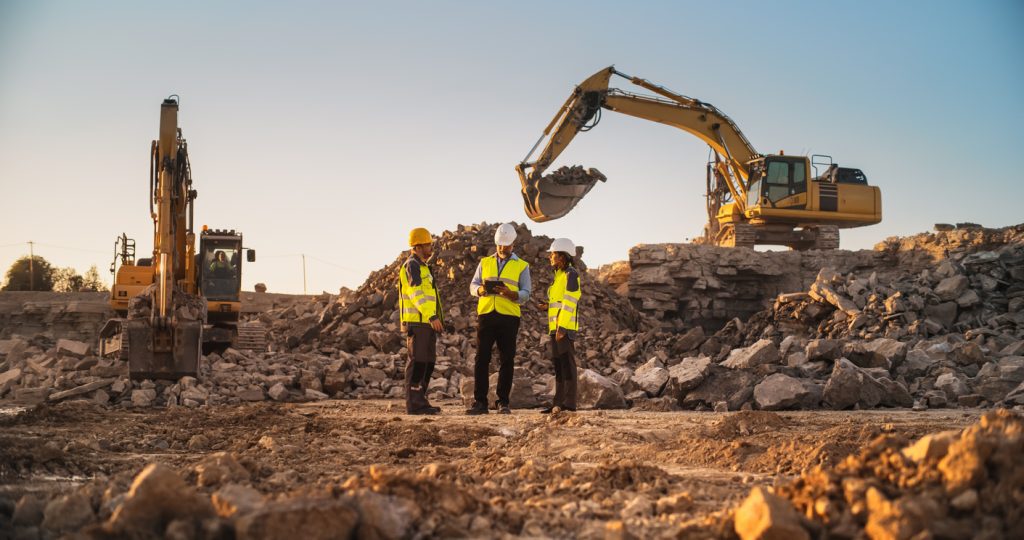
Construction sites are high-risk environments where accidents can lead to serious and often life-altering injuries. Common incidents include falls from heights, being struck by falling objects, machinery malfunctions, electrical shocks, and injuries caused by collapsing structures or scaffolding. These types of accidents frequently result in broken bones, head trauma, spinal injuries, and other severe physical harm.

Your Recovery Starts with a Call

Hurt in a construction accident? Our NYC attorneys are ready 24/7 to help you win. No fee unless we recover for you.

Call NowContact Us

A New York City construction accident lawyer at Friedman, Levy, Goldfarb, Green & Bagley, P.C., who understands New York’s complex labor laws, can help you explore all avenues of compensation and fight to maximize your total financial recovery after a serious construction accident in New York. Contact us today to schedule a free consultation.

What Are the Most Common Construction Site Injuries?

Construction sites are among the most physically demanding and dangerous workplaces, where even a momentary lapse in safety can lead to devastating consequences. Serious injuries impact a worker’s ability to earn a living and can also result in long-term pain, disability, and emotional trauma.

Below are some of the most common and severe injuries sustained on construction sites:

  • Back and Neck Injuries. Lifting heavy materials, falling, or being struck by equipment can cause acute or chronic injuries to the back and neck. These can range from muscle strains to herniated discs, often leading to long-term discomfort or mobility issues.
  • Broken Bones. Falls from scaffolding, ladders, or rooftops and being struck by tools or construction materials frequently result in fractures. Depending on the severity, broken bones may require extensive recovery time, surgery, or physical therapy.
  • Crushing Injuries. When a worker becomes caught between objects or pinned by machinery, the resulting compression can damage muscles, bones, and internal organs. Crushing injuries often require emergency medical care and can lead to permanent disability.
  • Internal Organ Damage. High-impact falls, or blunt force trauma may injure vital organs such as the lungs, liver, or kidneys. These injuries can be life-threatening and may not be immediately visible, making prompt medical evaluation critical.
  • Spinal Cord Injury. Falls from heights or severe impacts can damage the spinal cord, potentially resulting in partial or total paralysis. These injuries are among the most life-altering and require extensive medical care and support.
  • Traumatic Brain Injury (TBI). Being struck by falling objects, slipping and hitting the head, or other high-force impacts can cause a TBI. Symptoms can range from mild concussions to severe cognitive and physical impairments, often requiring long-term care.

Each of these injuries underscores the inherent risks construction workers face every day and the serious consequences that can follow a workplace accident.

How Do Construction Site Injuries Happen?

Construction sites are legally required to follow stringent safety standards set by agencies like OSHA to protect workers from harm. However, when these regulations are ignored or poorly enforced, the consequences can be severe, including the following:

Falls from Scaffolding, Ladders, and Rooftops

Falls constitute the most common cause of construction site injuries. The Bureau of Labor Statistics (BLS) reports that falls, slips, and trips account for approximately 35 percent of construction accident fatalities. Thousands more suffer serious injuries annually from falls on construction sites.

Struck by Object

Another frequent cause of construction accidents is being struck by falling objects—ranging from tools and building materials to unsecured debris dislodged from scaffolding or upper levels. These incidents can result in severe head injuries, fractures, or even fatalities, especially when proper protective equipment is not used.

Heavy Machinery Accidents

Heavy machinery accidents involving bulldozers, forklifts, or cranes pose a constant threat on construction sites. They often result from operator error, poor maintenance, or failure to follow safety protocols. They result in struck-by or caught-between incidents, which cause severe injuries or fatalities. Approximately 75 percent of struck-by fatalities involve heavy equipment.

Electrical and Explosion-Related Injuries

Electrocutions occur due to contact with overhead power lines, malfunctioning or poorly maintained electrical tools, and exposure to wet conditions near live wiring or outlets.

Explosions are another serious hazard, typically caused by the ignition of flammable substances such as fuel, gas, or improperly stored chemicals. These events may also result from gas leaks or accidental damage to underground gas lines during excavation.

Lack of Protective Equipment or Safety Violations

Many construction site accidents are avoidable if the worker is supplied with adequate protective equipment and safety regulations are followed. As per the Occupational Health and Safety Administration (OSHA), the most frequently violated standards in 2024 relating to the construction industry are:

  • Fall protection
  • Construction ladders
  • Fall protection training
  • Scaffolding
  • Eye and face protection

Your Recovery Starts with a Call

Hurt in a construction slip and fall accident? Our NYC attorneys are ready 24/7 to help you win. No fee unless we recover for you.

Call NowContact Us

What Are Your Legal Rights After a Construction Injury in New York?

If you’re injured on the job, in most cases, you are eligible for workers’ compensation benefits. However, workers’ compensation laws generally prevent you from suing your employer.

In return, the system provides benefits such as medical treatment, partial wage replacement—usually two-thirds of your average weekly wage up to a state cap—and vocational rehabilitation. Except in emergencies, your treatment must be obtained from a medical provider authorized by the employer’s insurer.

If a worker dies from their injury, the surviving spouse, minor children, and other dependents may receive survivor benefits

Filing a Third-party Lawsuit for Negligence

In many construction site accidents, negligent parties other than the injured worker’s employer may bear responsibility. When a third party’s negligence contributes to an accident, the injured worker may be entitled to file a personal injury lawsuit against that party. Unlike workers’ compensation claims, third-party lawsuits allow for the recovery of broader damages, including reduced earning capacity, pain and suffering, and other non-economic damages.

To succeed in such a claim, your personal injury lawyer must prove that a third party’s negligence directly caused the injury. An experienced attorney will conduct a detailed investigation to identify all potentially liable parties.

These may include:

  • Property owners who fail to maintain safe working conditions
  • General contractors overseeing the site
  • Subcontractors responsible for specific job functions
  • Engineers involved in project design or site safety
  • Manufacturers of defective tools or machinery
  • Material suppliers who provide faulty or unsafe products
  • Operators of delivery vehicles involved in on-site incidents

Identifying all sources of liability is critical in pursuing full and fair compensation through a third-party claim.

Legal Protections under NY Labor Laws

New York’s Labor Laws provide specific legal protections to construction workers, particularly under Sections 200, 240, and 241 of the New York Labor Law.

  • Section 200 codifies the general duty of employers and property owners to provide a reasonably safe work environment. It applies broadly to worksites and includes protections against unsafe conditions or practices.
  • Section 240, commonly referred to as the Scaffold Law, imposes strict liability on property owners and general contractors for gravity-related injuries (such as falls from heights or being struck by falling objects) when proper safety devices like scaffolds, hoists, or ladders are not provided.
  • Section 241 specifically regulates safety standards during construction, demolition, and excavation activities. It places responsibility on owners and contractors to meet those standards.

Statute of limitations

In New York, the statute of limitations for filing a personal injury lawsuit is generally three years from the accident date. If the person succumbs to their injuries, surviving family members have two years from the date of death in which to file a wrongful death lawsuit. However, if the accident occurred on public property, the statute of limitations for filing a Notice of Claim is just 90 days from the injury date.

Wrongful Death Compensation for Families

When a loved one dies due to a construction accident, a wrongful death lawsuit may be filed under New York law. However, only the personal representative (executor or administrator) of the deceased’s estate is legally permitted to bring the claim—not individual family members directly.

The deceased’s spouse, children, parents, or other close relatives may receive a share of any compensation awarded based on their relationship to the person who died and who would legally inherit if there is no will.

Why Choose a Construction Accident Lawyer in NYC at Friedman, Levy, Goldfarb, Green & Bagley, P.C.?

NYC Personal Injury Attorney, Charles E. Green

Charles E. Green

Charles E. Green is the managing partner at Friedman, Levy, Goldfarb, Green & Bagley, P.C.

Learn More

NYC Injury Attorney, Robert Levy

Robert Levy

Robert Levy, is the senior partner of Friedman, Levy, Goldfarb, Green & Bagley, P.C. with  four decades experience.

Learn More

Ira H. Goldfarb

Ira H. Goldfarb is the senior partner and trial attorney at Friedman, Levy, Goldfarb, Green & Bagley, P.C.

Learn More

Nicolas Bagley

Nicolas Bagley is a partner and trial attorney at Friedman, Levy, Goldfarb, Green & Bagley, P.C.

Learn More

Meet Our Full Team of Attorneys

We are a trusted legal ally for injured construction workers in Manhattan, the Bronx, Brooklyn, Queens, Staten Island, and throughout the NYC metropolitan area. 

Our results handling construction accident claims speak for themselves, and include: 

  • $4.2 million settlement for a member of the International Union of Operating Engineers Local 14-14B who fell on the job and was left permanently disabled 
  • $3.4 million settlement for a painter who was injured by falling wall panels. 
  • $3 million settlement for an electrician injured when a switch gear fell on his legs. 

These are only a few of the outstanding results we have achieved for injured New Yorkers in our more than 50-year history of practicing personal injury law.  If you entrust us with your legal claim, an experienced New York construction accident lawyer at our firm can help you understand your rights and fight for the maximum amount of compensation you deserve. 

Schedule a Free Consultation

Schedule a free, no-obligation consultation today at Friedman, Levy, Goldfarb, Green & Bagley, P.C. Because we work on a contingency basis, you pay no fee unless you obtain compensation. We know the fair value of your case based on your losses and damages. While most cases are settled, we will go to trial if the insurance company fails to agree to a reasonable settlement.

Legally Reviewed by

Charles E. Green – Managing Partner

Charles E. Green is the managing partner at Friedman, Levy, Goldfarb, Green & Bagley, P.C. He has decades of experience handling serious injury cases across New York. His reported decisions and major verdicts reflect strong courtroom skill and legal impact. Mr. Green oversees every case with careful preparation and close client attention. He negotiates effectively against insurers and defense counsel. His work has recovered millions for injured New Yorkers. Clients trust his proven results and dedication always.

Our Office

380 Lexington Ave, 29th Fl, New York, NY 10168
P: 212-307-5800
E: info@friedmanlevy.com

Construction Slip and Fall Accidents in New York

Slips, trips, and falls are a leading cause of serious injuries on construction sites. Under New York law, injured construction workers are typically barred from suing their employers. They must pursue benefits through the workers’ compensation system, which provides coverage for medical expenses and a portion of lost wages during recovery. However, when a third party—such as a subcontractor, property owner, or equipment manufacturer—contributes to or causes the accident through negligence, the injured worker may be entitled to file a separate personal injury lawsuit. A third-party claim can provide broader compensation, including full wage loss, pain and suffering, and future medical costs.

Your Recovery Starts with a Call

Hurt in a construction slip and fall accident? Our NYC attorneys are ready 24/7 to help you win. No fee unless we recover for you.

Call NowContact Us

A personal injury lawyer who understands New York’s complex labor laws can help you explore all avenues of compensation and fight to maximize your total financial recovery after a serious construction accident in New York. Friedman, Levy, Goldfarb, Green & Bagley, P.C. is a trusted legal ally for injured construction workers in Manhattan, the Bronx, Brooklyn, Queens, Staten Island, and the NYC metropolitan area. Schedule a free consultation today.

How a Construction Slip and Fall Lawyer Can Help Your Case

When you sustain a serious injury in a New York construction accident due to another party’s negligence, the outcome of your case depends heavily on the experience and diligence of your legal representation.

A skilled attorney will conduct a thorough investigation into the cause of the accident, which may involve securing and documenting the accident scene, interviewing witnesses, collecting physical and photographic evidence, reviewing medical and employment records, and determining whether any violations of the Occupational and Safety and Health Administration (OSHA) or state safety regulations occurred.

Following this investigation, your attorney will assess whether any third parties—such as contractors, property owners, or equipment manufacturers—may be legally responsible for your injuries. If so, they will file all relevant claims with the appropriate insurance carriers and enter negotiations to pursue a settlement that accurately reflects the severity of your injuries, your long-term prognosis, and the overall impact on your livelihood.

An experienced construction accident lawyer will also advocate aggressively to ensure your rights are protected and that you receive the full compensation you are entitled to under the law.

Who Can Be Liable for a Construction Slip and Fall Accident?

Workers’ compensation laws were established to create a no-fault system in which injured employees receive benefits without the need to sue their employer. In exchange, employers are typically shielded from personal injury lawsuits brought by their workers.

However, under New York Labor Law Sections 200, 240(1), and 241(6), property owners and general contractors can be held directly liable for construction-related accidents, especially falls from heights, scaffolding, ladders, or safety violations. Therefore, liability would fall under a third-party claim in a New York construction accident if the responsible party is not the worker’s employer.

Third-Party Claims

The third parties who may be liable in a personal injury lawsuit outside of workers’ comp include the following:

  • General Contractors. Responsible for overall site safety and coordination, general contractors can be held liable for failing to enforce safety protocols or properly supervise work.
  • Subcontractors. If a subcontractor’s negligence—such as improper work practices or failure to secure equipment—caused the accident, they may be held accountable.
  • Property Owners. Under New York Labor Law and premises liability statutes, property owners have a duty to ensure a safe work environment. Failure to correct known hazards or comply with safety laws can result in liability.
  • Equipment Manufacturers. The manufacturer may be liable if a defective tool or machine caused or contributed to the injury.
  • Architects and Engineers. Design professionals may be liable if flawed plans, inadequate supervision, or code violations contributed to unsafe conditions that led to the accident.
  • Construction Managers. Separate from general contractors, construction managers may share liability if they failed their safety compliance responsibilities.
  • Vendors or Delivery Companies. Third-party suppliers and delivery drivers can be held liable if their actions—such as unsafe unloading or obstruction of walkways—created hazardous conditions.
  • Maintenance or Service Contractors. Entities responsible for maintaining or servicing equipment or structural components may be liable if their negligence led to a malfunction or unsafe conditions.

Each case depends on the specific circumstances, but identifying all potentially liable third parties is essential for securing full compensation under New York law.

Your Recovery Starts with a Call

Get the Legal Support You Deserve. Our NYC attorneys are ready 24/7 to help you win. No fee unless we recover for you.

Call NowContact Us

Potential Compensation

In a New York construction accident, the type of claim you file—workers’ compensation or a third-party personal injury claim—significantly affects your compensation.

As noted, workers’ compensation provides limited, no-fault benefits. These include coverage for necessary medical treatment, a portion of lost wages (usually two-thirds of your average weekly wage up to a state-set cap), and sometimes compensation for permanent impairment.

In contrast, a third-party personal injury claim can offer much broader compensation. If successful, you may recover damages for the full value of your lost wages (past and future), medical expenses, pain and suffering, loss of quality of life, and other long-term impacts. Unlike workers’ comp, these claims require proving the third party’s negligence but can result in significantly higher financial recovery.

Pursuing both workers’ comp and a third-party claim simultaneously is legally permissible and often the most effective strategy for securing full compensation after a serious construction injury.

Wrongful Death Claims for Families Who Have Lost a Loved One

When a construction accident victim dies because of their slip and fall, family members may file a wrongful death lawsuit against the responsible parties. In New York, the statute of limitations for filing a wrongful death lawsuit is two years from the death date, not the accident date.

Common Causes of Slip, Trip, and Falls

Here are some of the most common causes of slip, trip, and fall accidents on construction sites, many of which involve violations of OSHA safety standards:

  • Wet or Slippery Surfaces. Spilled liquids, rainwater, or wet construction materials left on walking surfaces can create serious slipping hazards. OSHA requires that walking-working surfaces be kept clean and dry.
  • Uneven or Unstable Walking Surfaces. Gravel, debris, loose boards, or improperly secured floor panels can lead to trips and falls.
  • Improper or Inadequate Fall Protection. Falls from unguarded edges, scaffolding, or platforms are among OSHA’s “Fatal Four” violations. Under OSHA, employers must provide appropriate fall protection systems in areas where workers are exposed to fall risks.
  • Improper Use of Ladders and Scaffolding. Using damaged equipment, overloading platforms, or failing to secure ladders properly can lead to serious falls. These are regulated under OSHA.
  • Poor Housekeeping. Tools, construction materials, and trash left in walkways can easily cause tripping accidents. OSHA standards require work areas to be kept orderly and clear of unnecessary obstructions.
  • Inadequate Lighting. Insufficient lighting in stairwells, hallways, or work zones can prevent workers from seeing hazards.
  • Lack of Warning Signs or Barricades. Failing to mark hazardous areas—such as freshly poured concrete, open trenches, or wet floors—can result in preventable accidents. OSHA requires the use of signage and physical barriers where hazards exist.
  • Inadequate Footwear or Personal Protective Equipment (PPE). Employers must ensure that workers wear slip-resistant footwear appropriate for the job. OSHA mandates proper PPE, and failure to comply can increase the risk of slips and falls.

Addressing these hazards through proper training, site maintenance, and compliance with OSHA regulations is critical to reducing the risk of slip and fall injuries on construction sites.

Experienced Construction Slip and Fall Accident Lawyers on Your Side

NYC Personal Injury Attorney, Charles E. Green

Charles E. Green

Charles E. Green is the managing partner at Friedman, Levy, Goldfarb, Green & Bagley, P.C.

Learn More

NYC Injury Attorney, Robert Levy

Robert Levy

Robert Levy, is the senior partner of Friedman, Levy, Goldfarb, Green & Bagley, P.C. with  four decades experience.

Learn More

Ira H. Goldfarb

Ira H. Goldfarb is the senior partner and trial attorney at Friedman, Levy, Goldfarb, Green & Bagley, P.C.

Learn More

Nicolas Bagley

Nicolas Bagley is a partner and trial attorney at Friedman, Levy, Goldfarb, Green & Bagley, P.C.

Learn More

Meet Our Full Team of Attorneys

Construction accident litigation is complex. You need a law firm with a strong track record in obtaining substantial settlements and verdicts. Our attorneys are well-versed in the OSHA safety regulations that construction companies must follow.

Our recent verdicts and settlements include:

  • $6.5 million settlement for a Manhattan construction accident in which the building owner and general contractor were found liable.
  • $4.2 million settlement for a client who leaned against a guardrail that had been unbolted to allow material deliveries to the site and suffered permanent disabilities.
  • $3.4 million settlement for a Manhattan construction accident in which the owner and general contractor were deemed liable.
  • $3.167 million settlement for a Queens accident in which scaffolding broke, causing the victim to suffer severe head injuries. He was not provided with any safety equipment from his employer.

Before obtaining legal counsel, never accept a settlement offer after a construction slip and fall accident. Insurance companies want to offer quick, lowball payouts. Even if the offer sounds good, it may not prove sufficient for your ongoing medical expenses. Our attorneys know a fair settlement value for your claim based on your injuries and prognosis.

Contact a Construction Slip and Fall Attorney for a Free Consultation

If you or someone you know was seriously injured in a construction slip and fall injury, you need the services of an experienced New York construction accident lawyer at Friedman, Levy, Goldfarb, Green & Bagley, P.C.

Schedule a free, no-obligation consultation today. While most construction slip and fall cases are settled in negotiations, we will litigate your case if the insurance company fails to agree to a reasonable amount. We represent clients in New York City and those living on Long Island, Westchester County, Rockland County, and the Hudson Valley. 
Legally Reviewed by

Charles E. Green – Managing Partner

Charles E. Green is the managing partner at Friedman, Levy, Goldfarb, Green & Bagley, P.C. He has decades of experience handling serious injury cases across New York. His reported decisions and major verdicts reflect strong courtroom skill and legal impact. Mr. Green oversees every case with careful preparation and close client attention. He negotiates effectively against insurers and defense counsel. His work has recovered millions for injured New Yorkers. Clients trust his proven results and dedication always.

Our Office

380 Lexington Ave, 29th Fl, New York, NY 10168
P: 212-307-5800
E: info@friedmanlevy.com

Electrical Accidents on Construction Sites

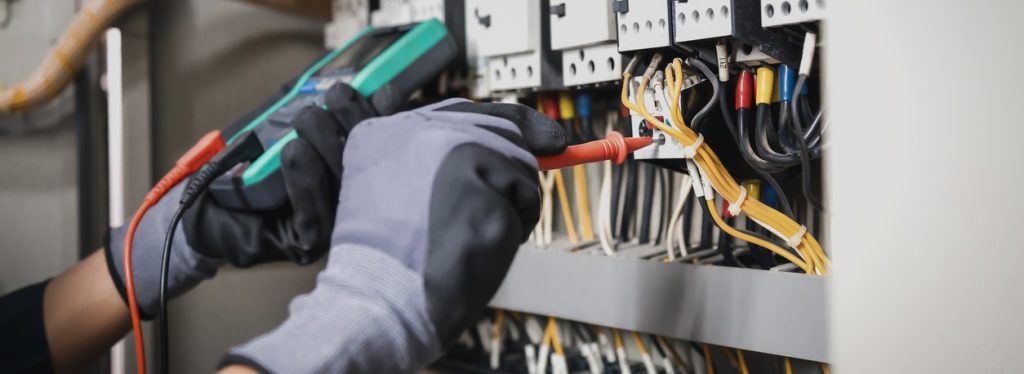
Electrical accidents at New York construction sites are among the most dangerous workplace incidents. Employees are typically entitled to workers’ compensation benefits, covering medical treatment and partial wage replacement. However, if a third party—such as a subcontractor, utility company, or equipment manufacturer—contributed to the incident through negligence, the injured worker may also pursue a third-party personal injury claim. This separate legal action can provide more comprehensive compensation, including damages for pain and suffering, lost wages, and long-term care needs.

Your Recovery Starts with a Call

Hurt in a construction accident? Our NYC attorneys are ready 24/7 to help you win. No fee unless we recover for you.

Call NowContact Us

Friedman, Levy, Goldfarb, Green & Bagley, P.C. is a trusted legal ally for injured construction workers in Manhattan, the Bronx, Brooklyn, Queens, Staten Island, and the NYC metropolitan area. Contact us today to schedule a free consultation.

Prevalence of Electrical Accidents in Construction

Electrical accidents remain one of the top causes of fatalities in the construction industry in New York and across the U.S. These incidents are often due to contact with overhead power lines, faulty equipment, or improper grounding.

Here are some key highlights:

  • According to the Occupational Safety and Health Administration (OSHA), electrocutions consistently rank among the “Fatal Four” causes of death in construction–contributing to approximately 8.5 percent of construction fatalities nationally.
  • The New York Committee for Occupational Safety and Health (NYCOSH) reported in its 2022 construction fatality report that electric shock accounted for a significant share of all fatal injuries in NYC construction, particularly among non-unionized worksites.
  • The Centers for Disease Control and Prevention (CDC) states, “Nearly 60% of the electrocutions were caused by direct contact with electricity. Construction workers account for a large portion of electrical injuries in the U.S. each year. In 2015, for example, 61 percent of all U.S. workplace electrocutions occurred in construction (82 of 134 total deaths).”

Common Causes of Electrical Accidents on Construction Sites

The most common causes of electrical accidents on construction sites include:

Contact with Overhead Power Lines

Roughly one-third of electrical fatalities on construction sites involve contact with overhead power lines, which carry extremely high voltages and are the leading cause of electrical fatalities on worksites. Power lines should be identified and assessed before beginning any job, and all workers must adhere to strict safety protocols. According to OSHA regulations, a minimum clearance of 10 feet from power lines is required.

Many victims of power line contact were carrying metal ladders at the time of the incident. Other cases involve crane or backhoe operators, workers on elevated scaffolding, or even occupants of trucks with raised beds that came into contact with power lines. In addition to burns, such incidents can lead to serious or fatal fall injuries.

Improper Use of Extension Cords and Electrical Equipment

Improper use of extension cords can lead to accidents and potentially cause fires, as can the use of damaged electrical equipment. OSHA specifies that only three-wire extension cords “marked with a designation code for hard or extra-hard usage” are permitted on construction sites. These cords must be regularly inspected, and any that do not meet the standards should be promptly removed from service.

Every construction site should designate a qualified individual to inspect electrical tools and cords to ensure they are in safe working condition. Any equipment identified as hazardous must be immediately repaired or replaced.

Inadequate Grounding

When electrical systems are not properly grounded, the risk of electrocution increases significantly. In the absence of adequate ground fault protection, electrical current can pass through a worker’s body, potentially causing severe burns, cardiac arrest, or fatal injuries.

Water Exposure

Water and moisture—whether from weather conditions or site-specific factors—can significantly increase the risk of electrocution by affecting electrical conductivity. One of the most common hazards is using extension cords or electrical equipment that comes into contact with water or standing in water while operating such tools.

Preventive measures include wearing appropriate protective clothing and waterproof footwear, ensuring all tools and equipment remain dry, and using Ground Fault Circuit Interrupters (GFCIs). GFCIs should be tested before each use to ensure proper function.

Preventive Measures to Enhance Electrical Safety

OSHA enforces comprehensive electrical safety standards that require identifying and mitigating electrical hazards, providing mandatory safety training for workers, and ensuring the use of properly grounded or double-insulated tools and equipment.

For example, a key component of these standards is the lockout/tagout procedure, which is designed to prevent the accidental energization of machinery during maintenance or servicing. If stored energy is not adequately controlled or equipment can start unexpectedly, serious or fatal accidents can occur.

Other safety measures include the following:

Regular Safety Training and Education

Regular training and education are essential components of electrical safety and cannot be replaced by a single information session or access to written materials. Effective training requires periodic reviews and practical drills to reinforce knowledge and preparedness.

Employers are responsible for ensuring that all workers understand the electrical hazards present on construction sites and are thoroughly trained in established safety protocols. Providing personal protective equipment (PPE) alone is insufficient; workers must also be trained to correctly select the appropriate type of PPE for specific electrical hazards, use it properly during tasks, and maintain it in safe, functional condition through regular inspection, cleaning, and timely replacement.

Clear Signage

Construction sites are required to display clearly visible signage identifying electrical hazards and marking restricted areas. These signs should be posted in the primary languages understood by the workforce.

Conducting Routine Inspections and Maintenance

Routine inspections and proper maintenance of electrical equipment are essential to minimizing the risk of electrical accidents on construction sites. Prompt identification and correction of hazards—such as overloaded circuits–a common risk—are vital to maintaining a safe working environment.

Third-Party Personal Injury Claims

Failure to conduct inspections or ensure equipment safety can result in legal liability for various parties, including general contractors, subcontractors, site supervisors, or property owners. In the event of an accident, these parties may face third-party personal injury or wrongful death lawsuits. As noted, these are distinct from workers’ compensation and can result in additional compensation for pain, suffering, and other damages not covered by workers’ comp.

In New York, the statute of limitations for filing a third-party personal injury lawsuit is three years from the date of the accident. If the injury results in death, surviving family members may file a wrongful death lawsuit within two years of the date of death.

Legal and Financial Consequences of OSHA Violations

OSHA imposes substantial penalties for safety violations. A “serious violation” is defined as a condition in the workplace where there is a significant probability that death or serious physical harm could occur, and the employer knew or should have known about the hazard through the exercise of reasonable diligence.

Financial penalties include:

  • Serious violation: $16,550 per violation
  • Failure to abate: $16,550 per day beyond the abatement date
  • Willful or repeated violations: $165,514 per violation

In certain cases, employers may face criminal charges following a worker’s death, particularly if the incident resulted from a willful violation of OSHA regulations. A willful violation occurs when an employer knowingly disregards or is indifferent to legal safety requirements.

If such a violation leads to an employee’s death, the employer may face criminal penalties, including fines of up to $250,000 for individuals ($500,000 for corporations) and up to six months of imprisonment.

Schedule a Free Consultation with a New York Construction Accident Lawyer

NYC Personal Injury Attorney, Charles E. Green

Charles E. Green

Charles E. Green is the managing partner at Friedman, Levy, Goldfarb, Green & Bagley, P.C.

Learn More

NYC Injury Attorney, Robert Levy

Robert Levy

Robert Levy, is the senior partner of Friedman, Levy, Goldfarb, Green & Bagley, P.C. with  four decades experience.

Learn More

Ira H. Goldfarb

Ira H. Goldfarb is the senior partner and trial attorney at Friedman, Levy, Goldfarb, Green & Bagley, P.C.

Learn More

Nicolas Bagley

Nicolas Bagley is a partner and trial attorney at Friedman, Levy, Goldfarb, Green & Bagley, P.C.

Learn More

Meet Our Full Team of Attorneys

If you’ve been injured on a construction site, it’s essential to understand your legal rights. While workers’ compensation provides benefits for job-related injuries, you may be entitled to additional compensation beyond what it offers—especially if a third party’s negligence contributed to your accident. 

Schedule a free, no-obligation consultation with an experienced New York construction accident lawyer at Friedman, Levy, Goldfarb, Green & Bagley, P.C.  Since we work on a contingency basis, you pay no legal fees unless you receive compensation. We represent clients throughout New York City, as well as residents of Long Island, Westchester County, Rockland County, and the Hudson Valley region.

Legally Reviewed by

Charles E. Green – Managing Partner

Charles E. Green is the managing partner at Friedman, Levy, Goldfarb, Green & Bagley, P.C. He has decades of experience handling serious injury cases across New York. His reported decisions and major verdicts reflect strong courtroom skill and legal impact. Mr. Green oversees every case with careful preparation and close client attention. He negotiates effectively against insurers and defense counsel. His work has recovered millions for injured New Yorkers. Clients trust his proven results and dedication always.

Our Office

380 Lexington Ave, 29th Fl, New York, NY 10168
P: 212-307-5800
E: info@friedmanlevy.com

Understanding Contingency Fees in Construction Accident Cases

Friedman, Levy, Goldfarb, Green & Bagley, P.C.Construction Accident

If you or a loved one has been injured in a construction accident in New York, concerns about legal fees should not deter you from pursuing justice. Most reputable construction accident law firms operate on a contingency fee basis—meaning there are no upfront costs. Your attorney is paid only if your case is successful, aligning their interests with yours and allowing you to pursue your claim. However, it’s important to note that certain case-related expenses—such as court filing fees, expert reports, or medical record retrieval—may still apply.

At Friedman, Levy, Goldfarb, Green & Bagley, P.C., transparency and clear communication with our clients are foundational. We prioritize being responsive, approachable, and available to ensure you stay informed and supported throughout your case.

Here is what you need to know about contingency fees and how they function in construction accident claims in New York.

Your Recovery Starts with a Call

Hurt in a construction accident? Our NYC attorneys are ready 24/7 to help you win. No fee unless we recover for you.

Call NowContact Us

How Contingency Fee Agreements Work

A contingency fee agreement means you pay your attorney only if your case results in a financial recovery. Rather than charging hourly rates or requiring an upfront retainer, they receive a pre-agreed percentage of any settlement or court award. You typically owe no attorney’s fees if your case is not successful. However, as noted, you may still be responsible for reimbursing certain case-related expenses—depending on the terms of your agreement.

While rates vary, contingency fees in construction accident cases typically range from 25 percent to 40 percent of the recovered amount. The exact percentage may vary based on the complexity of the case, whether litigation is required, and whether the matter is resolved through settlement or trial.

How Contingency Fees Differs from Other Payment Models

Not all attorneys work on a contingency fee basis. For example, in business and family law, it is more common for attorneys to charge hourly rates or require an upfront retainer. Under this structure, clients are typically responsible for covering legal costs regardless of the case’s outcome.

This billing model can involve certain financial considerations:

  • Legal costs may accrue over time, irrespective of whether the case is resolved successfully
  • Routine communications, including emails and phone calls, are generally billable
  • Clients may need to budget carefully to ensure they can fund the case through to resolution

In contrast, construction accident attorneys typically work on a contingency fee basis. This arrangement shifts the financial risk to the law firm and ties their payment directly to the success of your case.

Why Do Most Construction Accident Lawyers Work on Contingency? 

Construction accident claims are among the most complex personal injury cases. They often involve multiple parties, challenging liability questions, union regulations, OSHA violations, and significant financial damages. Building a strong case may require accident reconstruction experts, safety engineers, medical specialists, and extensive investigative work over weeks or months.

For these reasons, most experienced construction accident attorneys work on a contingency feebasis. Injured workers frequently face lost income, mounting medical expenses, and extended recoveries, making upfront legal fees impractical. Contingency agreements allow access to quality legal representation regardless of financial circumstances.

This model encourages thorough case development and the pursuit of the most favorable resolution possible through settlement or trial.

What Costs Are Covered in a Contingency Agreement?

A contingency agreement covers the attorney’s payment but typically does not include essential litigation expenses—commonly referred to as “case costs.” These costs are separate and necessary for building a strong and well-supported claim.

These may include:

  • Court Filing Fees. These are mandatory charges to initiate a lawsuit and file necessary motions throughout the case.
  • Expert Witness Fees. Complex construction injury cases often hinge on technical analysis. We hire trusted experts such as engineers, safety professionals, and medical specialists who can clearly explain what went wrong and who may be liable.
  • Depositions and Transcripts. Sworn testimony from witnesses, company representatives, and experts is critical. Court reporters and certified transcripts create a precise, permanent record of testimony that can be referenced throughout the legal process.
  • Medical Record Retrieval. We obtain detailed records to establish the nature, severity, and cause of your injuries—often through secure, third-party services.
  • Investigative Work. Site investigations, OSHA violation reviews, accident reconstructions, and photographic documentation are key to establishing liability.
  • Administrative and Travel Costs. These include printing, document management, travel to inspections or depositions, and other routine expenses necessary to move your case forward.

At Friedman, Levy, Goldfarb, Green & Bagley, P.C., we advance the costs necessary to build your case—so financial concerns never stand in the way of pursuing the compensation you deserve. If we recover compensation on your behalf, they are deducted from your settlement or award.

If there is no recovery, whether you owe any case-related expenses will depend on the terms of your contingency agreement, which we will review with you in detail before starting work. Our goal is to ensure complete transparency and peace of mind from day one.

What Should You Look for in a Contingency Fee Agreement?

Not all contingency agreements are the same, so reviewing the terms carefully before signing is essential. A clear, fair contract should specify:

  • The exact percentage of any recovery that will be paid to the attorney or law firm.
  • How litigation expenses (case costs) will be covered, including whether you are responsible for those costs if the case does not result in compensation.
  • The terms of termination, including what costs, if any, may be owed if you decide to end the agreement.
  • Any additional fees that may apply, such as administrative or appellate fees.

A well-drafted contingency agreement protects your rights and sets clear expectations. You should never hesitate to ask your construction accident lawyer in NY to explain any provisions you do not fully understand. As noted, transparency is a hallmark of ethical and reputable legal representation.

How Contingency Agreements Apply to Construction Accident Cases

Understanding how legal fees are structured after a construction accident depends on the type of claim you pursue—whether a workers’ compensation claim or a third-party personal injury lawsuit. While contingency-based representation is available in both, the fee structures differ:

Workers’ Compensation vs. Third-Party Lawsuits

In New York, workers’ compensation benefits are handled through a separate system and do not involve contingency fee arrangements in the traditional sense. Instead, attorney fees are subject to approval by the Workers’ Compensation Board and are usually deducted from the awarded benefits.

In contrast, third-party personal injury claims—such as those brought against a negligent contractor, property owner, or equipment manufacturer—operate on a more traditional contingency fee basis. In these cases, your attorney only receives a fee if they secure a settlement or judgment on your behalf. These lawsuits allow for broader compensation, including pain and suffering, full lost earnings, and other damages not covered by workers’ comp.

Why Choose Friedman, Levy, Goldfarb, Green & Bagley, P.C.?

Legal representation is critical in construction accident claims, particularly when multiple parties and insurance carriers dispute liability or attempt to minimize your compensation. At Friedman, Levy, Goldfarb, Green & Bagley, P.C., our attorneys bring decades of experience advocating for injured New York construction workers.

We have successfully secured multi-million-dollar verdicts and settlements on behalf of clients seeking fair and full compensation under the law because we offer:

  • No upfront legal fees: We handle your case on a contingency fee basis, advancing all necessary costs—including investigative services, expert witnesses, and court filing fees. You owe no attorney’s fees unless we recover compensation on your behalf.
  • Strategic legal advocacy informed by construction law experience: Our attorneys are skilled in identifying liability, countering insurance defenses, and presenting compelling evidence grounded in technical and regulatory knowledge.
  • Comprehensive understanding of New York construction injury law: We have extensive experience handling complex claims under Labor Law §§ 200, 240, and 241, as well as workers’ compensation coordination and third-party litigation. Our approach ensures every potential source of recovery is explored.
  • Proven negotiation and trial capabilities: Whether negotiating a settlement or litigating in court, we advocate on your behalf to pursue the full value of your claim and maximize your recovery.

Take the First Step — Contact Us for a Free Consultation

Friedman, Levy, Goldfarb, Green & Bagley, P.C. is a trusted legal ally for injured construction workers in Manhattan, the Bronx, Brooklyn, Queens, Staten Island, and throughout the NYC metropolitan area. Schedule a free, no-obligation consultation with a skilled NYC construction accident lawyer. We can review your case, answer your questions, and help you understand your legal rights after a construction site accident.

Legally Reviewed by

Charles E. Green – Managing Partner

Charles E. Green is the managing partner at Friedman, Levy, Goldfarb, Green & Bagley, P.C. He has decades of experience handling serious injury cases across New York. His reported decisions and major verdicts reflect strong courtroom skill and legal impact. Mr. Green oversees every case with careful preparation and close client attention. He negotiates effectively against insurers and defense counsel. His work has recovered millions for injured New Yorkers. Clients trust his proven results and dedication always.

Our Office

380 Lexington Ave, 29th Fl, New York, NY 10168
P: 212-307-5800
E: info@friedmanlevy.com

Wrongful Death on a Construction Site to Negligence

A construction wrongful death claim in New York arises when a worker is fatally injured due to another party’s negligence—such as a contractor’s failure to follow safety regulations or a property owner’s failure to maintain a safe job site. Surviving family members may pursue a wrongful death lawsuit to hold the responsible parties legally accountable.

Unlike workers’ compensation death benefits, which are limited and provided regardless of fault, a wrongful death claim allows the estate to pursue broader compensation from third parties whose negligence contributed to the fatal accident.

Your Recovery Starts with a Call

Lost a loved one due to negligence on a construction site? Our NYC attorneys are ready 24/7 to help you win. No fee unless we recover for you.

Call NowContact Us

Without an experienced New York wrongful death lawyer from Friedman, Levy, Goldfarb, Green & Bagley, P.C.,  you risk undermining your chances of securing the full measure of justice and compensation that your family rightfully deserves.  Schedule a free consultation. We’re here to help.

What Is a Construction Wrongful Death Claim?

As noted above, a construction wrongful death claim is a legal action brought when a worker dies as a result of negligence or wrongful conduct on a construction site.

Unlike a personal injury claim—where the injured person seeks compensation—a wrongful death claim is filed by the personal representative of the deceased’s estate on behalf of surviving family members. The purpose of the claim is to recover compensation for economic losses, such as lost income and funeral expenses, as well as the loss of support and guidance suffered by the deceased’s beneficiaries.

Who Can File a Wrongful Death Lawsuit in New York?

In New York, only the personal representative of the deceased person’s estate is legally authorized to file a wrongful death lawsuit. This individual is typically appointed by the Surrogate’s Court and may be named in the deceased’s will or, if no will exists, selected according to New York’s intestacy laws.

While the personal representative files the claim, the lawsuit is brought on behalf of the deceased’s surviving family members, who may be entitled to compensation. These beneficiaries often include:

  • Spouse
  • Children
  • Parents (if there is no spouse or child)
  • Other dependents or next of kin, depending on the family structure and circumstances

Any damages awarded in the wrongful death case are distributed among the eligible family members based on their financial dependence on the deceased and the laws of intestate succession if there is no will.

How Negligence Plays a Role in These Cases

Negligence is often at the heart of wrongful death claims in construction settings, including:

  • Failure to maintain a safe job site. Unsafe working conditions—such as unprotected edges, unstable scaffolding, or unmarked hazards—can result in deadly incidents.
  • Inadequate training or supervision. Workers who are poorly trained or supervised are at a higher risk of serious or fatal accidents.
  • Use of defective or poorly maintained equipment. Malfunctioning machinery or tools can cause catastrophic injuries, especially when safety checks and maintenance are ignored.
  • Non-compliance with safety regulations. Ignoring OSHA guidelines or state-specific laws, such as New York Labor Law §§ 200, 240, and 241, dramatically increases the risk of fatal accidents.

Each of these failures may serve as the basis for a wrongful death claim if they directly contribute to a worker’s death.

What Are the Common Causes of Construction-Related Wrongful Deaths?

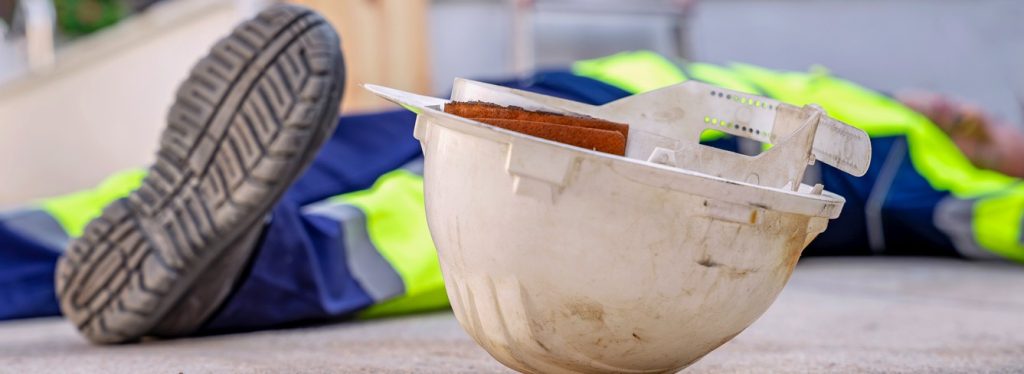
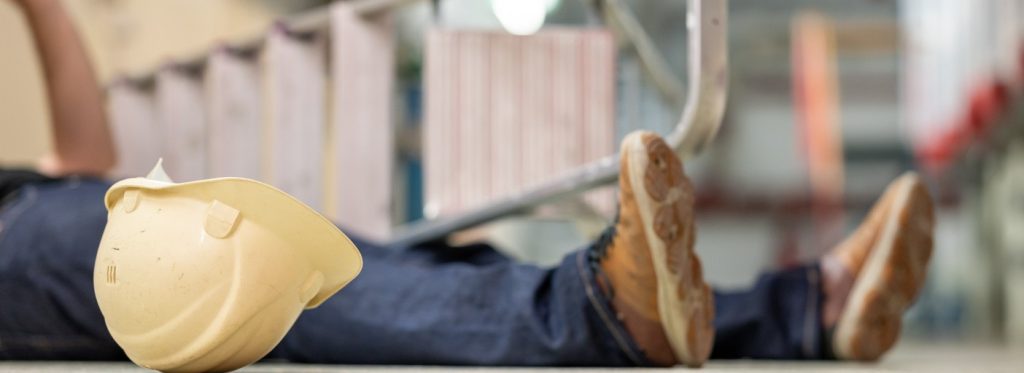
Yellow hardhat at shipyard with depressed male worker lying in shipping yard

According to the Occupational Safety and Health Administration (OSHA), the top four deadly construction hazards, often referred to as the “Fatal Four,” account for most fatalities on construction sites:

  • Falls: Falls, slips, and trips can occur from scaffolding, ladders, roofs, or unprotected edges. These accidents can result from missing fall protection equipment, a lack of guardrails, or unsafe work practices at height. In 2024, fall protection requirements were the most frequently cited OSHA violations.
  • Struck-by incidents: Occur when a worker is struck by a moving object, such as vehicles, falling tools, or unsecured materials. Heavy machinery, cranes, and vehicles can present significant risks—especially when operators are inadequately trained, or the site lacks proper safety controls like barriers, signage, or designated walkways.
  • Electrocutions: Workers face high risks when exposed to live wires, ungrounded electrical systems, or power tools with faulty wiring. These accidents are particularly dangerous in wet or confined environments, where the chance of a fatal shock increases.
  • Caught-in/between accidents: These accidents occur when workers are trapped between equipment, structures, or materials. Trench collapses, rotating machinery (e.g., cement mixers), and unguarded equipment are common culprits, often worsened by inadequate safety planning or malfunctioning gear.

Your Recovery Starts with a Call

Hurt in a construction accident? Our NYC attorneys are ready 24/7 to help you win. No fee unless we recover for you.

Call NowContact Us

Each hazard reflects a broader issue of preventable risk on construction sites. When safety measures are ignored or neglected, the consequences can be fatal. Understanding these causes helps families and legal professionals assess whether a wrongful death claim is appropriate.

Who May Be Liable in a Construction Wrongful Death Case?

Determining liability is a critical step in every wrongful death claim. Because construction sites often involve multiple parties with overlapping responsibilities, more than one party or entity may be held legally accountable for a fatal accident:

  • Contractors and Subcontractors: These parties may be held liable if they fail to enforce safety protocols, ignore known hazards, or provide inadequate supervision. General contractors, in particular, have a legal duty to maintain a safe work site and coordinate safety among all involved parties.
  • Equipment Manufacturers: The manufacturer may be held strictly liable under product liability laws if a fatality is caused by defective machinery or tools—whether due to a design flaw, manufacturing defect, or inadequate safety warnings.
  • Property Owners: Owners who retain control over the worksite or fail to correct known dangers may be liable for unsafe conditions. Under New York Labor Laws §§ 200, 240, or 241, property owners (except certain residential owners) can be held accountable for injuries or fatalities on their premises.
  • Third-Party Vendors or Suppliers: Vendors or suppliers who provide defective materials or unsafe equipment may face liability under New York’s product liability laws if those defects directly cause or contribute to a fatal accident. This type of claim can be pursued alongside negligence-based claims in a wrongful death case.

In many construction wrongful death cases, determining all legally responsible parties requires a comprehensive investigation into the circumstances of the incident.

Because identifying and pursuing all viable claims under New York law can be complex, families often rely on an experienced wrongful death attorney in NYC to evaluate the facts, preserve evidence, and guide them through the legal process.

What Compensation Can Families Recover in Wrongful Death Lawsuits?

Surviving family members may be entitled to compensation for the following:

  • Funeral and burial expenses: Reimbursement for the reasonable costs of funeral and burial services.
  • Loss of income and financial support: Compensation for the wages and benefits the deceased would have provided to their dependents.
  • Loss of Inheritance. Compensation for the reduction in the inheritance the decedent’s beneficiaries would likely have received had the deceased lived out their normal life expectancy.
  • Loss of parental guidance and services: Compensation for the economic value of the decedent’s support, services, and parental guidance.

When calculating these damages, courts and insurance companies typically rely on expert testimony, financial records, and other documentation—along with the unique circumstances of the deceased’s life, earning potential, and family relationships—to determine the appropriate compensation.

What Is Required to Prove Negligence in a Wrongful Death Claim?

In a wrongful death case, the burden rests on the plaintiff and their attorney to prove that the fatal accident resulted from another party’s failure to exercise reasonable care. To succeed, they must present clear and convincing evidence supporting all four elements of negligence. The claim cannot proceed or result in compensation without substantiating each component.

The four elements of negligence are as follows:

  1. Duty of Care: The defendant owed a duty to the deceased. This typically means maintaining a safe environment and following industry safety standards and regulations on a construction site.
  2. Breach of Duty: The defendant breached that duty by ignoring safety protocols, e.g., failing to repair faulty equipment or neglecting proper oversight of workers or job site conditions.
  3. Causation: The breach directly caused the fatal accident. It must be shown that the defendant’s actions (or failure to act) were the direct cause of the incident that led to the death.
  4. Damages: The survivors suffered pecuniary (financial) losses as a result of the death.

Proving negligence in a fatal construction accident claim involves gathering detailed evidence, such as accident reports, witness statements, expert analysis, and safety records. This process can be complex, but it is critical to supporting a family’s pursuit of accountability and compensation.

Why Work with a Construction Wrongful Death Attorney

The emotional toll of a wrongful death incident is immeasurable, compounded by the financial burdens that often follow. Navigating the aftermath of a wrongful death is an overwhelming and emotionally taxing experience. During such a challenging time, having a skilled attorney by your side is not only beneficial but essential. 

Pursuing a wrongful death claim is an incredibly complex and time-consuming process. It involves intricate legal procedures, dealing with insurance companies, and presenting compelling evidence—all while you are trying to cope with overwhelming grief. The role of a wrongful death attorney is meant to alleviate these burdens and provide support throughout the legal journey. 

Contact Us Today: We’re Here to Help

With decades of experience handling these complex claims, our compassionate team at Friedman, Levy, Goldfarb, Green & Bagley, P.C. brings extensive knowledge to every case we take on. We have a proven track record of securing substantial settlements and verdicts, approaching each case with unwavering commitment and tenacity because we understand how much is at stake for you and your family. Schedule a free, no-obligation consultation today.
Legally Reviewed by

Charles E. Green – Managing Partner

Charles E. Green is the managing partner at Friedman, Levy, Goldfarb, Green & Bagley, P.C. He has decades of experience handling serious injury cases across New York. His reported decisions and major verdicts reflect strong courtroom skill and legal impact. Mr. Green oversees every case with careful preparation and close client attention. He negotiates effectively against insurers and defense counsel. His work has recovered millions for injured New Yorkers. Clients trust his proven results and dedication always.

Our Office

380 Lexington Ave, 29th Fl, New York, NY 10168
P: 212-307-5800
E: info@friedmanlevy.com

Legal Rights After a Construction Site Accident in New York

Friedman, Levy, Goldfarb, Green & Bagley, P.C.Construction Accidents

Injured workers after a construction site accident have legal rights that provide critical support. These rights may include workers’ compensation benefits, the ability to pursue a personal injury or wrongful death lawsuit against a negligent third party, and protections under state and federal safety regulations. New York Labor Laws—particularly Sections 200, 240, and 241—offer strong legal safeguards for construction workers. OSHA regulations set national standards for workplace safety. Together, these laws help ensure accountability and provide avenues for injured workers to seek the compensation they deserve.

Your Recovery Starts with a Call

Hurt in a construction accident? Our NYC attorneys are ready 24/7 to help you win. No fee unless we recover for you.

Call NowContact Us

At Friedman, Levy, Goldfarb, Green & Bagley, P.C., our  NYC construction accident attorneys represent injured construction workers and pursue all available avenues of compensation on their behalf. This includes workers’ compensation claims as well as third-party personal injury lawsuits when applicable. For decades, our attorneys have worked to ensure injured workers receive the full legal protection and financial recovery they deserve.

What Laws Protect Injured Construction Workers in New York?

New York Labor Laws provide some of the most comprehensive legal protections for construction workers in the country. Key provisions—particularly Sections 200, 240, and 241—are designed to hold employers, property owners, and contractors accountable for maintaining safe job sites.

Notably, under Labor Law 240, often referred to as the Scaffold Law, property owners and general contractors may be held strictly liable for gravity-related injuries, such as falls from heights or being struck by falling objects. This means that injured workers do not need to prove negligence—only that the statute was violated and that this violation was a proximate cause of their injury.

  • Labor Law § 240 (Scaffold Law): As noted, this statute protects workers from gravity-related risks, such as falls from heights or being struck by falling objects. It imposes strict (absolute) liability on property owners and general contractors when proper safety equipment—such as scaffolds, ladders, or harnesses—is not provided. A worker’s own contributory negligence does not bar recovery under this law if a statutory violation caused the injury.
  • Labor Law § 241(6): This provision requires compliance with detailed safety rules outlined in the New York State Industrial Code. If a violation of these regulations results in a worker’s injury, they may pursue a third-party lawsuit against contractors or property owners, even if the employer was not directly at fault.
  • Labor Law § 200: This section codifies the common law duty to provide a safe workplace. It applies to a wide range of worksite hazards. It allows injured workers to seek damages for injuries caused by unsafe conditions resulting from negligent supervision or maintenance by a property owner or contractor. Unlike § 240 and § 241(6), liability under § 200 is based on negligence and requires proof of notice or control over the dangerous condition.

A construction accident lawyer in NY can help clarify which protections apply to your specific case and guide you toward maximizing your compensation.

Who Can Be Held Liable for a Construction Accident?

Multiple parties may bear legal responsibility for a construction accident. While workers’ compensation typically bars employees from suing their direct employer, there are limited exceptions—such as cases involving intentional harm or employers operating without proper coverage.

More commonly, injured workers may have the right to pursue a third-party lawsuit against individuals or entities other than their employer whose negligence contributed to the incident. Depending on the details of your case, we may be able to hold accountable the following:

  • General contractors and site supervisors
  • Property owners and commercial developers
  • Subcontractors or vendors
  • Architects or engineers
  • Equipment manufacturers or rental companies

What Compensation Can You Recover After a Construction Injury?

As noted, if a negligent third party contributed to your construction site injury, you may be entitled to pursue a personal injury claim in addition to receiving workers’ compensation benefits. This type of claim allows you to seek full and fair compensation for damages not covered by workers’ comp, including but not limited to:

  • Medical expenses (past and future)
  • Lost income and reduced earning capacity
  • Pain and suffering
  • Permanent disability or disfigurement
  • Loss of enjoyment of life
  • Vocational retraining or home modifications

Additional Provisions

New York law does not impose a cap on pain and suffering damages in personal injury claims, allowing injured parties to seek compensation based on the extent of their non-economic losses.

Further, in construction accident cases, claimants may assert multiple causes of action under various statutes—such as Labor Laws 200, 240, and 241—when supported by the facts. This ability to bring concurrent claims can enhance the potential for recovery and strengthen legal protections for injured workers and their families.

What Should You Do Immediately After an Accident?

Even minor details can significantly affect the outcome of your case. Taking early and informed action is essential to protecting your rights. If you’re able, follow these steps:

  • Seek immediate medical attention, even if your injuries appear minor. Prompt treatment creates a medical record that supports your claim.
  • Report the accident to your employer as soon as possible and request a written incident report be filed. This is a requirement under New York workers’ compensation law.
  • Document the scene thoroughly—photograph the area, equipment involved, visible injuries, and any hazardous conditions.
  • Avoid signing any documents or giving recorded statements to insurance companies or employer representatives without first consulting an attorney. These statements can affect your ability to pursue full compensation.

Finally, contact a construction site accident lawyer in NYC. We can help preserve evidence, guide you through insurance claims, and determine whether a third-party lawsuit may be filed in addition to a workers’ comp claim.

How Can a Construction Accident Attorney Help You?

When you work with an injured construction worker attorney in New York, they can:

  • Investigate the cause of your accident and identify all responsible parties
  • Navigate New York’s complex labor laws
  • Coordinate workers’ compensation claims alongside personal injury lawsuits when applicable
  • Communicate with insurers and opposing counsel on your behalf
  • Handle insurance company negotiations. Our attorneys act as your advocate, countering their tactics with detailed demand packages and assertive negotiations to secure a fair and reasonable settlement or verdict.

Clients can expect clear guidance on complex legal matters, honest evaluations of case strengths, and regular updates, facilitating informed decisions throughout every stage of the legal process.

Why Choose Friedman, Levy, Goldfarb, Green & Bagley, P.C.? 

NYC Personal Injury Attorney, Charles E. Green

Charles E. Green

Charles E. Green is the managing partner at Friedman, Levy, Goldfarb, Green & Bagley, P.C.

Learn More

NYC Injury Attorney, Robert Levy

Robert Levy

Robert Levy, is the senior partner of Friedman, Levy, Goldfarb, Green & Bagley, P.C. with  four decades experience.

Learn More

Ira H. Goldfarb

Ira H. Goldfarb is the senior partner and trial attorney at Friedman, Levy, Goldfarb, Green & Bagley, P.C.

Learn More

Nicolas Bagley

Nicolas Bagley is a partner and trial attorney at Friedman, Levy, Goldfarb, Green & Bagley, P.C.

Learn More

Meet Our Full Team of Attorneys

Construction litigation is fact-intensive, expert-driven, and adversarial. Our team is built to handle complex injury cases from intake through verdict:

  • Over 50 years of litigation experience in NYC trial courts
  • Deep familiarity with NY Labor Law and Industrial Code provisions
  • A robust network of field experts: safety engineers, accident reconstructionists, vocational economists, and medical specialists
  • Willingness to try cases when defendants refuse to pay full value

Opposing counsel knows our attorneys are trial-ready and determined to pursue the full value of each claim rather than accept undervalued settlements. We are prepared to leverage our significant resources and experience in every case and fight for the rights of our clients.

Contact Us: We’re Here to Help  

A construction accident lawyer in New York can ensure you understand your legal rights after a construction accident and help you pursue fair and just compensation for your losses and damages. The attorneys at Friedman, Levy, Goldfarb, Green & Bagley, P.C. have extensive experience handling construction accident claims and a proven record of success standing up for the injured. Contact us today to arrange your free and confidential legal consultation

Legally Reviewed by

Charles E. Green – Managing Partner

Charles E. Green is the managing partner at Friedman, Levy, Goldfarb, Green & Bagley, P.C. He has decades of experience handling serious injury cases across New York. His reported decisions and major verdicts reflect strong courtroom skill and legal impact. Mr. Green oversees every case with careful preparation and close client attention. He negotiates effectively against insurers and defense counsel. His work has recovered millions for injured New Yorkers. Clients trust his proven results and dedication always.

Our Office

380 Lexington Ave, 29th Fl, New York, NY 10168
P: 212-307-5800
E: info@friedmanlevy.com